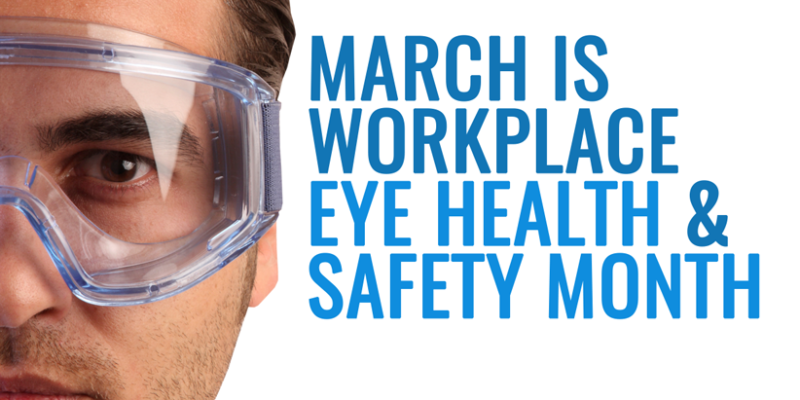
March is Workplace Eye Health and Safety Month.

Before you think that this topic does not apply to you, think again. Each day, over 2,000 Americans suffer an eye injury. This means that almost one million Americans have experienced some vision loss due to eye injury, which has resulted in more than $300 million in lost work time, medical expenses and workman’s compensation.

We usually think of work-related eye injuries as being isolated to outdoor jobs such as construction work, landscaping or animal handling. Ironically, working in an office can be just as hazardous to your eyesight. The most common eye problem is computer vision syndrome. While consistently being on your computer will not permanently damage your vision, it can make your eyes feel irritated and fatigued.

Computer vision syndrome is not just a myth. Too much screen time and not enough breaks can cause headaches, inattentiveness, neck pain, back strain, and dry eye. Studies show that staring at a screen for extended periods of time lengthens the interval between blinks, preventing eyes from staying lubricated and moistened (Source: Eye Med).

There are some ways to prevent computer vision syndrome and keep your eyes feeling comfortable:

  1. Reposition your screen. Adjust your screen to be at a right angle away from any direct light source. Invest in an anti-glare screen for your monitor to make computer work gentler on your eyes.
  2. Remember the 20-20-20 rule. This rule reminds you that every 20 minutes, you should look at an object at least 20 feet away for at least 20 seconds.
  3. Don’t forget to blink. While it may sound ridiculous, write yourself a note and place it on your monitor. Write “Blink Often” or any other message that will remind you to regularly close your eyes to keep them from getting dried out.
  4. Use artificial tears. Over-the-counter eye drops can be extremely helpful in preventing dry eye and keeping your eyes comfortable.
  5. Drink water. Adequate hydration can make a big difference, especially during the winter months when heaters and furnaces can make the air particularly dry.
  6. Schedule regular comprehensive eye exams. Nothing can replace the importance of having an eye exam by a licensed ophthalmologist at regular intervals. If you have any concerns about your vision or experience any changes with your eyesight, do not delay in making an appointment.

 Source: http://yoursightmatters.com/march-is-workplace-eye-wellness-month/
Blue Light-Blocking Glasses May Help With Sleep, Cognition

CHICAGO — Lenses that filter blue light almost doubled nighttime melatonin levels, reduced awakenings, and enhanced at least one measure of cognition in a randomized controlled trial that assessed these outcomes in wearers of BluTech Lenses.

“The concept of harmful blue light has been gaining attention. Blue light is made out to cause many health problems,” said Ryab-Quang Van, a student at Nova Southeastern University College of Optometry in Fort Lauderdale, Florida. At Academy 2017, the Academy of Optometry’s Annual Conference, Van reported that blue light-filtering lenses, which are touted to ameliorate these negative effects, may indeed provide some protection.

In the digital age, blue light exposure is hard to avoid, as the average person now spends the evening hours staring at one device or the other. “You wonder why you can’t fall asleep.” he said. “Blue light has been your enemy for the past few hours, we are told.” Intrinsically photosensitive retinal ganglion cells respond to short-wavelength light and contribute to circadian rhythm entrainment. Evening light exposure and/or changes in sleep/wake behavior can cause dysregulation of melatonin, which is associated with impaired mood and cognitive performance, he explained. According to manufacturers, blue light–blocking lenses can ameliorate these putative negative effects. One such device is BluTech Lenses, which purport to block ultraviolet and blue light rays from digital devices, improve depth and color perception, improve visual acuity and night vision, improve contrast, and reduce glare. Because BluTech Lenses are a popular product in this category, Van and colleagues chose to evaluate the efficacy of these glasses. The study was independently conducted.


For more information on the results of the study see: Click Here

Glaucoma affects over 60 million people around the world

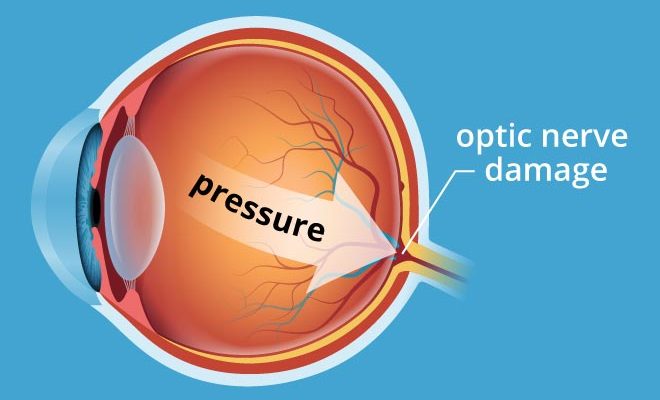
Glaucoma is referred to as the sneak thief of sight and can be present without a patient even knowing. As the nerve fibers in the optic nerve are damaged in glaucoma, there is a gradual and painless loss of vision.
The eyes use a natural drainage system that allows fluid to exit the eye, keeping the pressure within a normal range.  When the drainage system forms a blockage that prevents the fluid from draining and the pressure in the eye increases. When the pressure inside the eye rises it may cause damage the optic nerve.  If left untreated, glaucoma causes a slow and sometimes unnoticed loss of vision.
Pressure in an eye with glaucoma damages the optic nerve in the back of the eye and, if untreated, can lead to vision loss. Several new tools have recently emerged from ophthalmology research laboratories to become part of the state-of-the-art eye care that doctors provide.


EYE STENT PROCEDURE & RECOVERY

Eye stents are approximately 1-millimeter-long and inserted into the drainage system of the eye.  At the time of surgery cataract surgery, the stent is placed through a small corneal incision into the filtering meshwork. The stent then acts as a drainage system between the anterior chamber of the eye and Schlemm’s canal and permits the eye to drain fluid, thus reducing intraocular pressure.

Stents are permanent openings that do not need to be changed. While many patients who receive stent implants still require glaucoma medications, their need for them is largely reduced. The implant surgery is an outpatient procedure, requiring follow-up the day after.

Patients can return to normal activities immediately, with the exception of strenuous activities that may cause the eye to strain for 1 week.

CONTACT US TODAY

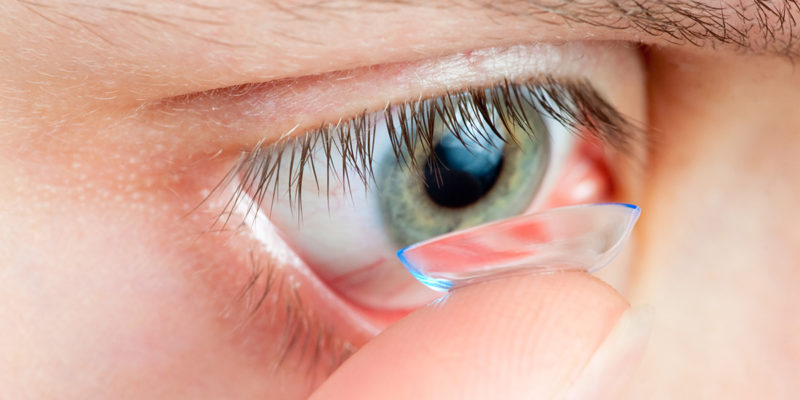
Eight Steps to Protect Your Sight From Contact Lens Infections

Most people don’t think of contact lenses as a medical device. But poor habits can set you up for serious eye infections that can damage vision or even cause blindness. Contact lenses provide safe and effective vision correction for an estimated 40 million Americans. However, studies show that most contact lens wearers have at least one bad habit that puts them at risk of vision loss. The American Academy of Ophthalmology recommends following these eight steps to protect your sight from contact lens infections.

Bifocal lmplants / Multifocal Lens implantable lens

Multifocal lens implants are an expensive but innovative technology. They are designed to reduce your dependence on eyeglasses as compared to if you had a standard “single focus” lens implant. When you are not wearing glasses, a standard lens implant will provide your eye with optimum focus set at one particular distance that does not change. You would then wear glasses in order to change this focus (e.g., moving the focus farther away or closer up).

How does the multifocal work?

With bifocal eyeglasses, you look through the top part of the lens for distance, and through the bottom area of the lens for near. The multifocal lens implant is entirely different because the specially engineered optic provides both a distance focus, and a near focus at all times. Your brain will learn to automatically select the focus that is appropriate for the task at hand. An analogy might be having background music playing in the room during a conversation. Your brain might “tune out” one to listen to the other. There can be a brief learning curve for using this unique optical system. For example, you will need to learn the optimal distance to hold reading material. For this reason many patients report that their ability to function without glasses continues to improve over time.

Are You a Good Candidate?

If you are a patient with cataracts, you are considering surgery because your cataracts prevent you from seeing well with your corrective eyeglasses. After cataract surgery you should be able to see well for both far and near distances with your new eyeglasses (assuming no other eye health problems). The decision about which type of artificial lens implant to have will only affect your ability to see without eyeglasses following cataract surgery. With both standard and multifocal lens implants, most people will see reasonably well in the distance without any eyeglasses. However, multifocal lens implants will provide the added convenience of being able to read many things without glasses.

No current technology can completely eliminate glasses, and how well you will perform with multifocal lens implants can vary because of individual factors. Nevertheless, they are an excellent option for patients who already need cataract surgery who want to decrease their reliance upon glasses. Although multifocal implants carry no guarantees, they should greatly improve the odds that you will be able to read and see better overall without glasses.

To learn more about the benefits Multifocal lens implants, make an appointment at Beyer Eye Associates, We offer 3 convenient locations in Mercerville NJ, Millstone NJ and Newtown PA . Our medical professionals can address any questions or concerns you may have about this special type of lens. Contact our office today to schedule your consultation

Eyelid Surgery –Blepharoplasty

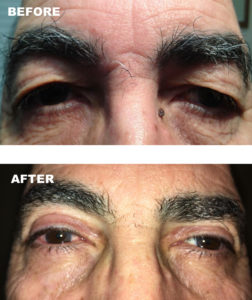
Facial flaws and premature signs of aging, especially drooping eyelids, can make a person appear tired and older than they truly are. Unfortunately, we can’t gain back time, but we can reverse signs of facial aging. Loose, hanging skin in the upper eyelid area and puffiness and wrinkles in the lower eyelid area can be corrected with surgery. Eyelid surgery, or “blepharoplasty,” can remove the effects of years of damage due to aging, stress, gravity, sun exposure, and smoking. Eyelid surgery can create a more refreshed appearance through the removal of loose skin and excess fat in the eyelids. In essence, eyelid surgery can help a person show their true beauty by making their outer appearance reflect how they feel on the inside.

Achieved With Eyelid Surgery

A Refreshed, Natural Look

Many people with excess skin hanging over the eyes often find they get told they look tired, angry, or sad. Eyelid surgery can help a patient achieve natural-looking, more “open” eyelids that create an overall refreshed and less tired appearance. Beyer Eye Associates have the experience and skillfulness fashion in order to provide each patient with the best results. By using hidden incisions and the finest of sutures, Beyer Eye Associates can offer this procedure with no visible scarring. The eyelids will not appear “fake” or operated on. This will help a patient achieve natural-looking eyelids that no longer look tired or worn out.

Diminished Lines & Wrinkles

In addition to correcting loose, hanging skin in the upper eyes, eyelid surgery will also diminish the appearance of fine lines and wrinkles around the eyes. When excess skin is removed and the remaining skin is pulled taut, it will smooth out wrinkles and fine lines. During eyelid surgery, Beyer Eye Associates will carefully tighten the skin and close the incisions with very fine sutures. By doing so, patients can expect eyes that look smoother, more refreshed, and nearly ten years younger.

Frequently Asked Questions About Eyelid Surgery

Q: What are the risks and complications associated with eyelid surgery?

A: Eyelid surgery is a safe and effective procedure. However, some risks and potential complications include:

  • Anesthesia risks
  • Bleeding
  • Poor wound healing
  • Infection
  • Difficulty closing the eyes
  • Sensitivity to light

Q: How can I expect my eyes to look over time?

A: After swelling and bruising have subsided, eyelid surgery patients can expect a smoother, better-defined eyelid region. The eyes will appear more alert, rejuvenated, and refreshed.


NEED MORE INFO ON EYELID SURGERY? Or WOULD YOU LIKE TO SCHEDULE AN APPOINTMENT?

FILL OUT FORM BELOW TO SCHEDULE A CONSULTATION:


OPEN YOUR EYES TO THE MYOPIA EPIDEMIC

Now considered a major health concern, myopia (nearsightedness) has increased by 66% in the United States since 1971. Onset can begin as early as age 6, and early detection is the key to prevention and reduction of potentially serious complications later in life.

What is MYOPIA?

Adults and children with myopia, or nearsightedness, have difficulty seeing objects clearly from a distance because their corneas are usually slightly longer than normal from front to back. For those who are nearsighted, objects that are farther away appear blurry.

NEARSIGHTEDNESS: A REAL CHILDREN’S HEALTH CONCERN

Nearsightedness (myopia) is a common vision condition diagnosed during a basic eye exam. Myopia is caused by genetics, as well as other environmental factors. For instance, staring at any object for too long can cause the eye to elongate — it’s this elongation that leads to myopia. Studies also link the recent surge in cases to the increased use of handheld electronic devices

Without treatment, children could fall behind in school, experience eyestrain and headaches, or face more serious future risks, such as retinal detachment, glaucoma, macular degeneration, and blindness.

KEEP AN EYE ON THEIR FUTURE

If your child displays one or more of the following habits, he or she should be evaluated for myopia:

  • Persistent squinting
  • Needing to sit closer to see
  • Holding books very close while reading
  • Seeming to be unaware of distant objects
  • Excessive blinking
  • Rubbing eyes frequently
  • Poor grades or falling behind in school

PROTECTING YOUR CHILD’S POTENTIAL WITH CRT LENSES

SAFELY CORRECT YOUR VISION OVERNIGHT

Paragon CRT lenses are a non-surgical solution to nearsightedness, or myopia. CRT lenses are worn overnight, and work to gently correct the curvature of the cornea while you sleep. In the morning, simply remove the lenses and enjoy your enhanced vision. It will take between 7 to 14 days of treatment to obtain unaided-vision throughout your day.

HOW DO CRT LENSES WORK?

THE SCIENCE BEHIND CRT

Ortho-K (short for Orthokeratology) is a non-surgical solution for patients with myopia (nearsightedness) that uses specially designed contact lenses (like Paragon CRT lenses) to improve vision.

When worn overnight, Paragon CRT contact lenses gently corrects the curvature of the cornea, resulting in a corneal shape that focuses light correctly onto the retina. When removed in the morning, distant objects will come back into focus and patients can see cl https://www.paragonvision.com/crt-lenses/ early without the use of glasses or daytime contacts.

https://www.paragonvision.com/crt-lenses/  — video

SCHEDULE YOUR APPOINTMENT TODAY

If you or your child have been diagnosed with nearsightedness (myopia) or display some of the common symptoms, Call Beyer Eye Associates.

Mercerville: 609-586-0273 Millstone: 609-259-2221

Schedule an appointment for a screening by calling one of our 3 locations or visit our website www.beyereye.com

What is Blue Light? By Beyer eye Associates

What is Blue Light?

Sunlight is made up of red, orange, yellow, green, blue, indigo and violet light. When combined, it becomes the white light we see. Each of these has a different energy and wavelength. Rays on the red end have longer wavelengths and less energy. On the other end, blue rays have shorter wavelengths and more energy. Light that looks white can have a large blue component, which can expose the eye to a higher amount of wavelength from the blue end of the spectrum.

Where Are You Exposed to Blue Light?

The largest source of blue light is sunlight. In addition, there are many other sources:

  • Fluorescent light
  • CFL (compact fluorescent light) bulbs
  • LED light
  • Flat screen LED televisions
  • Computer monitors, smart phones, and tablet screens

Blue light exposure you receive from screens is small compared to the amount of exposure from the sun.  And yet, there is concern over the long-term effects of screen exposure because of the close proximity of the screens and the length of time spent looking at them. According to a recent NEI-funded study, children’s eyes absorb more blue light than adults from digital device screens.

What Are The Benefits of Blue Light?

Blue light is needed for good health:

  • It boosts alertness, helps memory and cognitive function and elevates mood.
  • It regulates circadian rhythm – the body’s natural wake and sleep cycle. Exposure to blue light during daytime hours helps maintain a healthful circadian rhythm. Too much exposure to blue light late at night (through smart phones, tablets, and computers) can disturb the wake and sleep cycle, leading to problems sleeping and daytime tiredness.
  • Not enough exposure to sunlight in children could affect the growth and development of the eyes and vision. Early studies show a deficiency in blue light exposure could contribute to the recent increase in myopia/nearsightedness.


  • How Does Blue Light Affect the Eyes?
  • Almost all visible blue light passes through the cornea and lens and reaches the retina. This light may affect vision and could prematurely age the eyes. Early research shows that too much exposure to blue light could lead to: Digital eyestrain and Retina damage.
  • Digital eyestrain: Blue light from computer screens and digital devices can decrease contrast leading to digital eyestrain. Fatigue, dry eyes, bad lighting, or how you sit in front of the computer can cause eyestrain. Symptoms of eyestrain include sore or irritated eyes and difficulty focusing.
  • Retina damage:Studies suggest that continued exposure to blue light over time could lead to damaged retinal cells. This can cause vision problems like age-related macular degeneration.


  • What Can You Do to Protect Your Eyes from Blue Light?
  • If constant exposure to blue light from smart phones, tablets, and computer screens is an issue, there are a few ways to decrease exposure to blue light:
  • Screen time: Try to decrease the amount of time spent in front of these screens and/or take frequent breaks to give your eyes a rest.
  • Filters: Screen filters are available for smart phones, tablets, and computer screens. They decrease the amount of blue light given off from these devices that could reach the retina in our eyes.
  • Computer glasses: Computer glasses with yellow-tinted lenses that block blue light can help ease computer digital eye strain by increasing contrast.
  • Anti-reflective lenses: Anti-reflective lenses reduce glare and increase contrast and also block blue light from the sun and digital devices.
  • Intraocular lens (IOL):After cataract surgery, the cloudy lens will be replaced with an intraocular lens (IOL). The lens naturally protects the eye from almost all ultraviolet light and some blue light. There are types of IOL that can protect the eye and retina from blue light.
  • Talk to an eye care professional about options about ways to protect your family and your eyes from blue light.


Source

http://www.preventblindness.org/blue-light-and-your-eyes

Call Beyer Eye Associates about BLUE UV Blocking Lenses From Zeiss

Beyer Eye Associates

https://beyereye.com/

The Optomap Retinal Exam

The optomap Retinal Exam is Used by an Eye Doctor to Get an Ultra-Widefield View of the Retina (the back of the eye)

While eye exams generally include a look at the front of the eye to evaluate health and prescription changes, a thorough screening of the retina is critical to verify that your eye is healthy. This can lead to early detection of common diseases, such as glaucoma, diabetes, macular degeneration, and even cancer.

An exam with the Optomap is quick, painless, and may not require dilation drops. Nothing touches your eye at any time. To have the exam, you simply look into the device one eye at a time (like looking through a keyhole) and you will see a comfortable flash of light to let you know the image of your retina has been taken.

Optomap

What is the Optomap?

The Optomap Retinal Exam provides a panoramic view of the back of a person’s eye (the retina). The view provided by the Optomap displays over 80% of the retina.

How does the Optomap work?

The patient places their eye to be photographed up to the instrument for the photograph and takes a picture. The Optomap captures its image in only ¼ of a second.

An alternative to dilation.

The Optomap® Retinal Exam is a great tool to use in addition to dilation or when a patient can’t, or doesn’t want to be dilated.

In some cases the view provided by the Optomap is superior to that of pupil dilation. For example, a patient that is very light sensitive will often refuse to have their pupils dilated because of the inconvenience they experience. The dilated view of a very photosensitive patient is often poor because it is difficult for the patient to keep their eyes open or to look in the appropriate direction. The Optomap captures images with a brief flash that even light sensitive patients do not object to, allowing the doctor to view the results without discomfort to the patient. The Optomap allows for a more comfortable retinal exam.

Benefits of an optomap

The benefits of having an optomap ultra-widefield retinal image taken are:

  • optomap facilitates early protection from vision impairment or blindness
  • Early detection of life-threatening diseases like cancer, stroke, and cardiovascular disease

The unique optomap ultra-widefield view helps your eye care practitioner detect early signs of retinal disease more effectively and efficiently than with traditional eye exams

Early detection means successful treatments can be administered and reduces the risk to your sight and health

For whom is the Optomap Recommended?

The short answer is almost everyone is a good candidate for the optomap® Retinal Exam.  We find, however, that some of the best candidates for the optomap® Retinal Exam are those patients that can’t or don’t want to be dilated, children, anyone with a history of eye  problems such as diabetic retinopathy, glaucoma and people that are light sensitive, just to name a few.

https://beyereye.com/optomap/

Beyer Eye Associates 609-259-2221 https://beyereye.com

About multifocal contact lenses

There are 152 million people in the presbyopic age group

1 Patients in presbyopic age groups are open to learning more about multifocal contact lenses. Their interest is high, but the number of current wearers is low.

2 Your patients are looking to YOU to provide that opportunity.

Among adults ages 45+ requiring multifocal vision correction, interest in contact lenses is high.

Contact Us Today To Learn More